What we do

From the first sketch to the last night.

We dream up experiences people walk up to, get their hands on, and talk about for years. Then we build them, and we stay with them through every stage, so the idea that opens is the one you started with.

That works because the person leading your project is half creative, half developer and half strategist. Yes, that's three halves. The math may not work, but we do.

Strategy · Concept · Design · Build · Execution
A robot with a clipboard, planning.
Why ideas shrink

Every handoff is a chance to get smaller.

An idea gets handed off, then translated: into a spec, a budget, a vendor quote, a build schedule. Everyone along the way is protecting something different. The budget. The timeline. The risk. Nobody is wrong to. But each translation loses a little, and by opening night what's standing on the floor can be miles from the idea everyone fell in love with.

We close that gap by understanding every side of it: what the idea needs, what the technology can actually do, and what the business needs it to deliver. When you can speak all three, you don't have to trade away the part that matters.

How a project goes

Four stages, one pair of hands.

01 · Strategy and idea

What's the idea?

Some projects arrive as a blank brief. Others walk in nearly finished. Either way, we start with the person who walks up: what they’ll feel, what they’ll touch, what they’ll say, and what they’ll remember.

On a blank brief, the answers become the concept. On a concept that’s already strong, they show us what’s missing: the moment people will tell their friends about, the interaction that makes it yours.
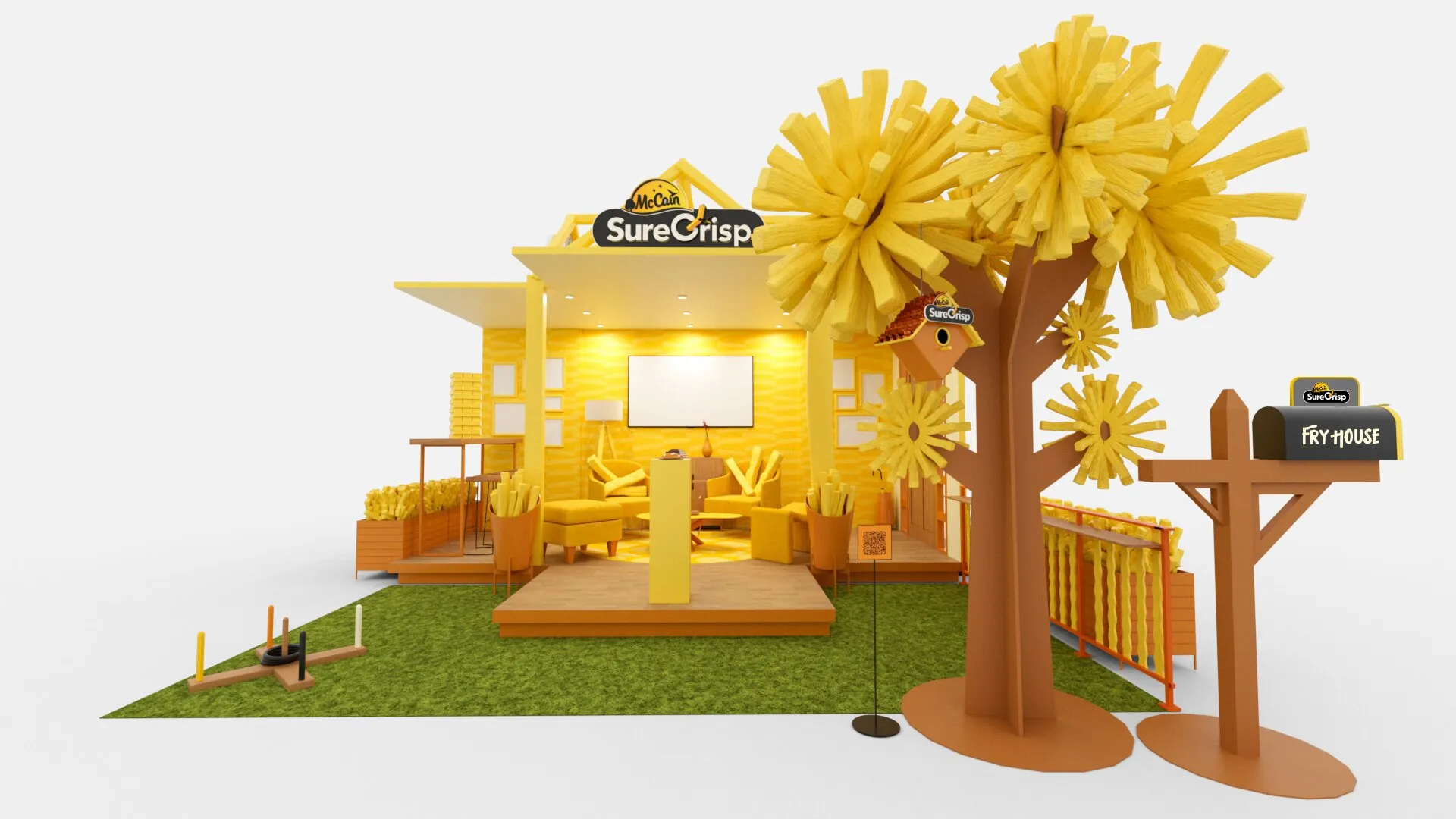
A render of the yellow fry house on a patch of grass, with its fry tree, porch and mailbox. In practiceThe Fry HouseFrom a blank brief to a doorbell that meant fries.
02 · The proof

Will it actually work?

Ideas die when they look too risky. So before anything gets built big, we build a small version that works, on our bench, that you and your client can get your hands on. Sometimes that’s overnight, sometimes it takes longer. Either way, everyone stops guessing.

Most ideas can be built as drawn. The rest get tuned until the heart of the experience comes through intact.

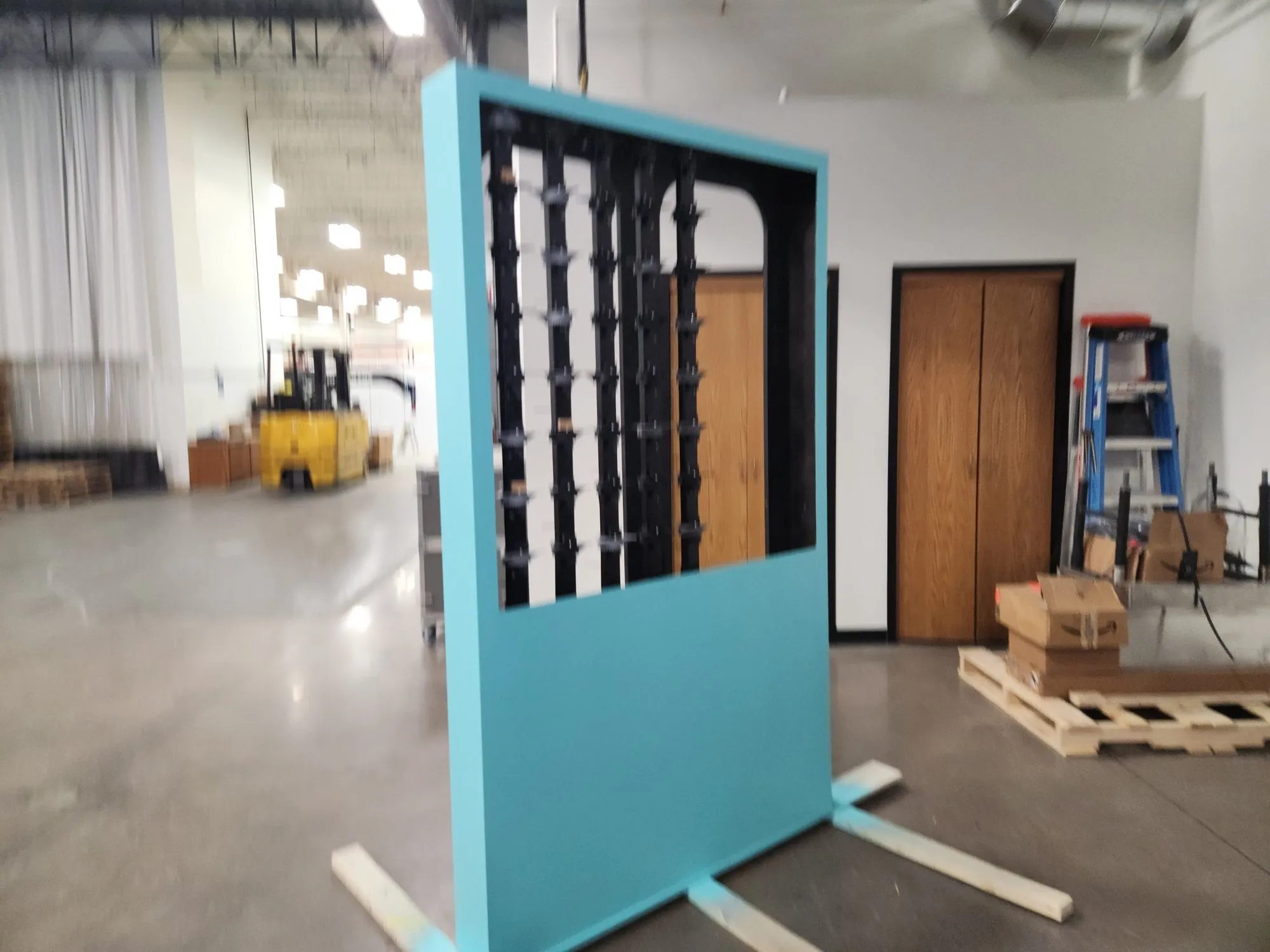
The teal frame standing in a warehouse, with the black rotor columns installed behind its window. In practiceThe Kinetic WallMoving on the bench before it got built big.
03 · The build

Will it still be the idea?

Materials, budgets and schedules all push back during a build. What we protect is the part people love, the reason your client said yes. We keep it, and wherever we can, we make it better.

That happens on the shop floor. A creative with sawdust on their shoes sees chances nobody finds from a conference room: a better material than the one in the drawing, a simpler mechanism that’s more fun, a trick we’ve been waiting to try. Between our bench and our fabrication partners, we can chase them.

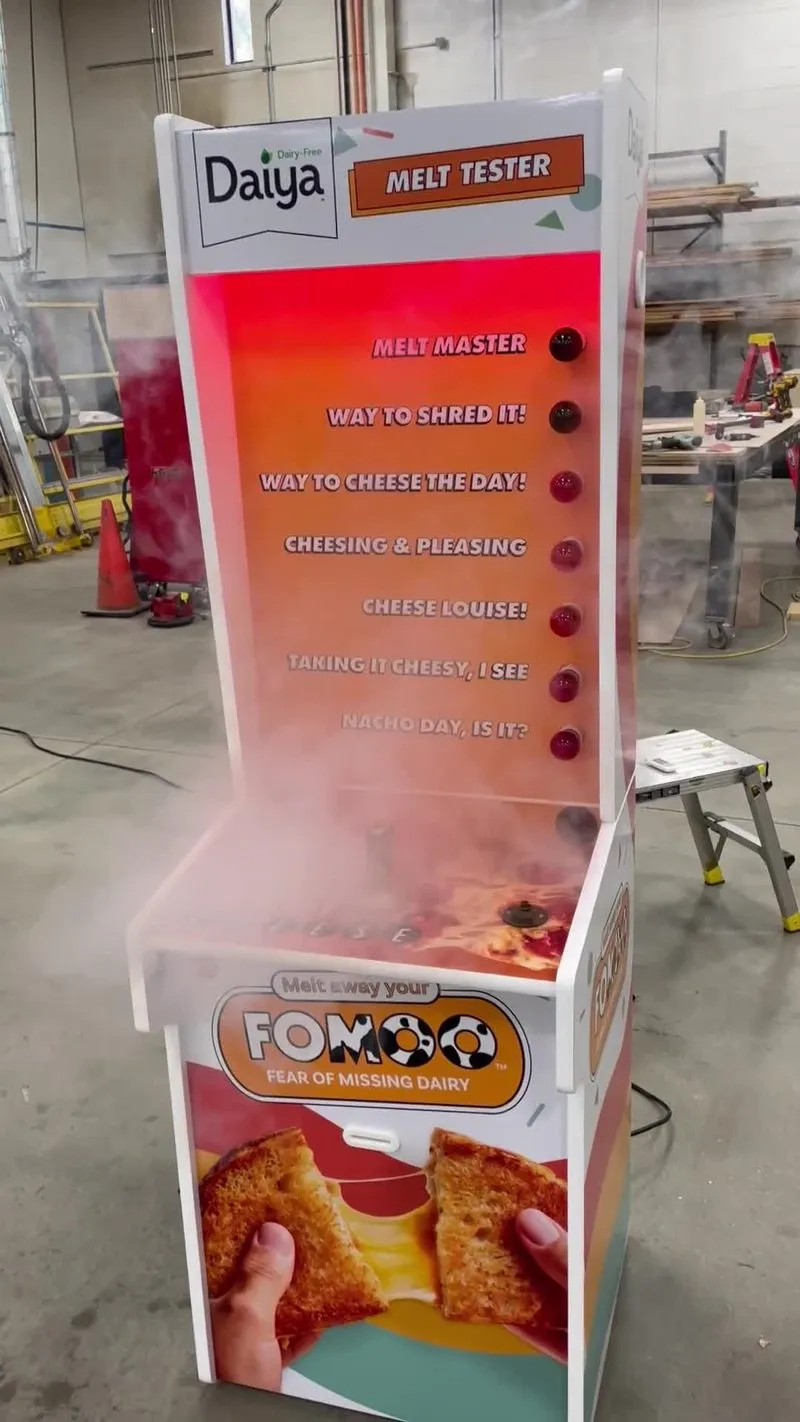
The machine glowing red and pouring out smoke in the shop. In practiceThe Grate Love TesterOverload tested in the shop, then 96 days on tour.
Two ways in

Bring us the idea. Or bring us in.

Some clients hand us the thing at the center of their event. Others want our head and hands inside their own team for a while. Same person, same bench, either way.

Way 1

We are your team.

You have a moment to make. You need the people who make it.

What you get
  • The whole run, from the idea to the last night, or just the stages you need.
  • Our shop and our fabrication partners, with one person accountable for all of it.
  • A sketch and a rough cost before you commit to anything.
How it starts

A short call, then a sketch and a rough cost.

Quoted per project: design and build, plus materials.

Start a project
Way 2

We join your team.

You have the team. You need a creative director who can carry the ideas to fruition.

What you get
  • Charles as your fractional creative director or creative technologist.
  • A day or two a week, inside your process and your pitch.
  • Ideas, feasibility reads and working prototypes your team can present.
How it starts

A one to two week sprint on a live brief.

Sprints from $5,200. Standing from $11,000 a month.

Bring Charles in
What's in the toolbox · Whatever the experience needs, and nothing it doesn't.
Strategy and story

Creative and experiential strategy, concepts, guest journeys, the moment worth building.

Creative direction

The ideas, the look and feel, and the judgment about which one is worth building. Then seeing it through to the night it opens.

Interactive objects

Arcade machines, physical games, buttons, levers and sensors, hidden cameras, staff remotes.

Software and AI

Web and app experiences, data turned into stories, AI systems that answer back, the code that runs the show.

Fabrication

Electronics, 3D printing in plastic and clay, CNC, metalwork. Bigger builds with partners we trust.

On site

Install, staff walkthroughs, and someone who knows how it works standing nearby.

Not sure where to start?

Tell us who's walking in and what you want them to feel. We'll tell you which way in makes sense. We reply within a day.

Start a project
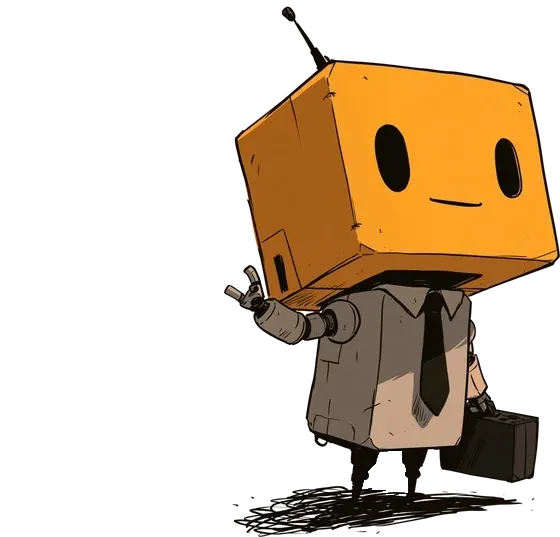
A robot in a suit and tie with a briefcase, waving hello.