Anansi
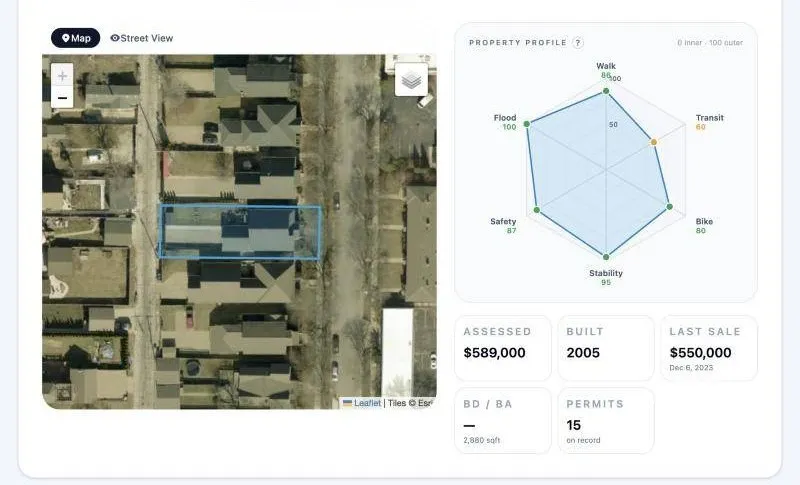
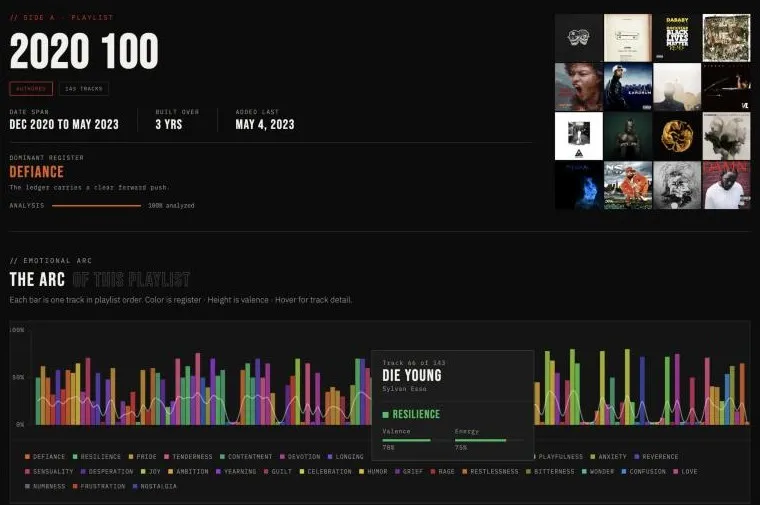
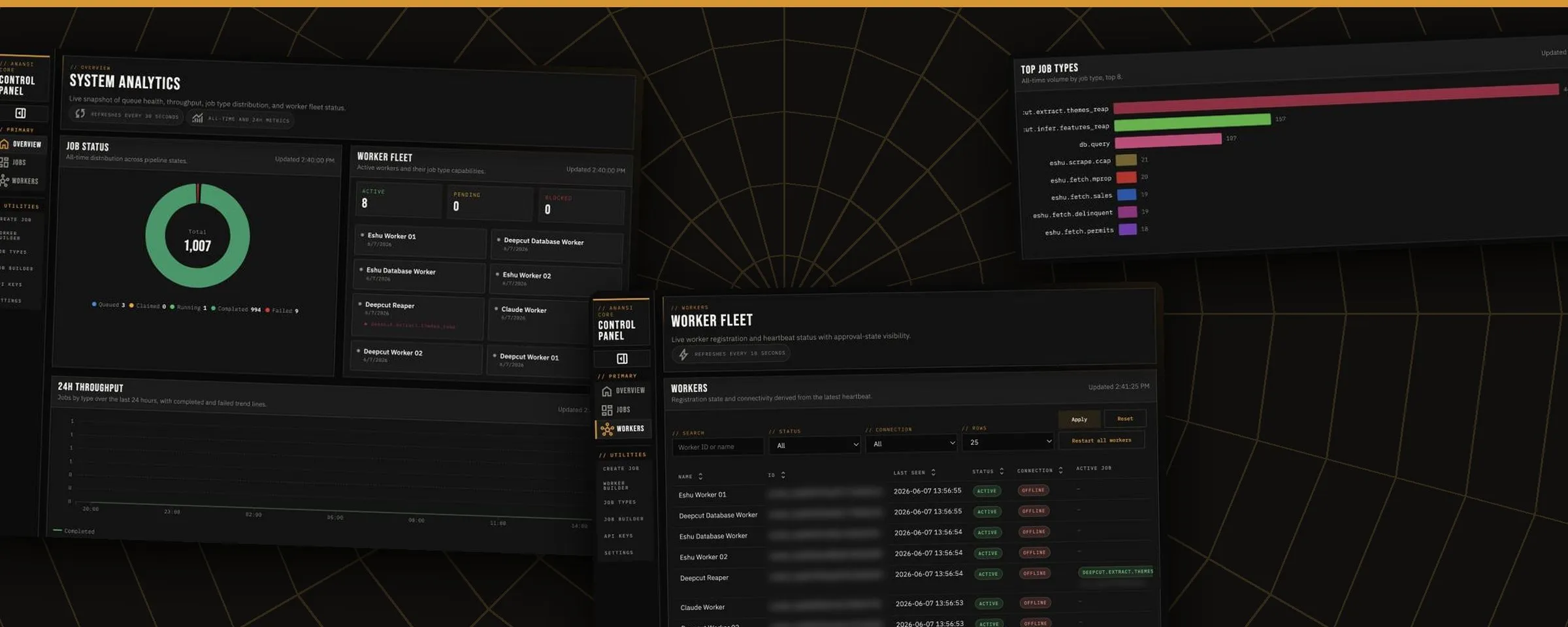
Somewhere, right now, a spider is handing out work. Eshu reads eleven public records on a house. DeepCut reads years of somebody's listening. Under the hood, both are hundreds of small jobs that have to run in order and pick up where they left off when something breaks. Anansi hands them out to a fleet of workers and shows all of it live.
What if the plumbing only had to be built once?
Every project that thinks needs somewhere to do its thinking. Instead of building that again for each one, we built it once, gave it a name and a web, and let the projects share it.
Anansi is named for the spider in the West African stories who holds all the stories. Its workers are spiders too, out on the web, each one waiting for something to do.
Every kind of work is its own small package: fetch the sales history for a house, pull lyrics for a song, read a set of tracks for themes. Upload a package and every worker that can run it picks it up. A job that fails gets tried again. A worker that goes quiet gets noticed. A new machine joins the fleet with one installer.
It is the least visible thing in After hours, and the reason Eshu and DeepCut work at all.
Role: The idea, the design, the code. All of it.
How it came together.
Build the thing that runs the things once.
Then stop rebuilding it for every project. The least glamorous tool in the shop is usually the one everything else depends on.